The Pregnancy Journey: Prenatals to Maternity Photography
Expecting parents often feel overwhelmed about preparing for pregnancy, birth, and a newborn. With so much information available at our fingertips, it can be challenging to know where to start. As a maternity and newborn photographer in Merritt Island, I’m here to provide a guide to the most commonly Googled topics by expecting parents.

What to Expect During the First Trimester of Pregnancy
The first trimester of pregnancy is often referred to as the “honeymoon phase.” It’s a time when many expecting parents feel excited and hopeful about the future. However, it can also be a time of significant physical and emotional changes. Some common symptoms of the first trimester include fatigue, morning sickness, mood swings, and breast tenderness. It’s also a time when many expecting parents have their first prenatal appointments and begin to learn more about their baby’s development. There are moments of pure magic too, like hearing your baby’s heartbeat for the first time.
The Difference Between a Midwife and an OB-GYN
A midwife is a healthcare provider who specializes in providing care to women during pregnancy, birth, and postpartum. Midwives often focus on providing a more personalized and natural approach to childbirth, but they are also trained to recognize and manage complications that may arise. An OB-GYN is a medical doctor who specializes in women’s reproductive health and is trained to manage both normal and high-risk pregnancies. Both midwives and OB-GYNs play important roles in ensuring the safety and health of the mother and baby during pregnancy and childbirth.
Common Pregnancy Symptoms and How to Manage Them
Fatigue is no joke, so listen to your body and rest whenever you need to. If you’re battling heartburn, avoid spicy and greasy foods, and prop yourself up with extra pillows at night. Don’t forget the constant need to go to every bathroom you encounter. Embrace those mood swings and let your loved ones know you might need some extra understanding and patience. And let’s not forget those swollen feet—put them up and treat yourself to a foot massage. Remember, mama, this is just a temporary phase, and you’re growing a little miracle inside you. Take it easy, ask for support when you need it, and celebrate each symptom as a sign of your baby’s journey.
Prenatal Vitamins and their Importance During Pregnancy
Let’s talk about those prenatal vitamins—they’re like little superheroes for you and your baby! During pregnancy, your body needs extra nutrients to support your baby’s growth and development, and that’s where these little wonders come in. Prenatal vitamins are specially formulated to give you an extra boost of goodness. They’re packed with folic acid, iron, calcium, and other essential vitamins and minerals that are crucial for your baby’s healthy development. These vitamins help prevent birth defects, support strong bones, and keep your energy levels up. Just make sure to chat with your healthcare provider to find the right prenatal vitamin for you.
How to Alleviate Morning Sickness During Pregnancy
Feeling a bit queasy in the morning? Don’t worry, you’re not alone! Dealing with morning sickness is no fun, but there are a few tricks to help ease the discomfort. First, try nibbling on some crackers or dry toast before getting out of bed. Keeping your tummy slightly full can help settle the nausea. Ginger is a magical natural remedy, so ginger tea or ginger candies might become your new best friends. Snacking on small, frequent meals instead of large ones can also help keep your stomach happy. And remember to stay hydrated by sipping on water throughout the day. If you’re struggling with strong smells, fresh air and open windows can be your allies.
Safe Pregnancy Workouts to Do
Exercise during pregnancy can be beneficial for both the mother and baby. It can help reduce the risk of gestational diabetes, improve mood, and promote better sleep. Walking is a fantastic, low-impact exercise that gets your blood flowing and keeps you fit. Prenatal yoga is another excellent choice, helping you stretch and strengthen your body while promoting relaxation. Swimming is a refreshing option, as it relieves the pressure on your joints while giving you a great workout. If you’re up for a little more intensity, consider modified strength training exercises using lighter weights or resistance bands. Just remember, always listen to your body, stay hydrated, and chat with your doctor before starting any new exercise routine.
What is a Birth Plan and Why it is Important to Have One
A birth plan is basically a roadmap for your labor and delivery experience. It’s a written document that outlines your preferences and expectations for the big day. Having a birth plan is important because it helps you communicate your desires to your healthcare team, ensuring that they understand your wishes and can work with you to create a positive birth experience. It covers things like pain management options, positions for labor, who you want to be present, and any special requests you might have. Remember, it’s not set in stone and flexibility is key, but having a birth plan can help you feel more empowered and in control during this exciting journey. There are many resources online to help with a birth plan, including various templates!
Gestational Diabetes and How to Reduce the Risk of Getting It
Gestational diabetes is a condition that affects some pregnant women, causing high blood sugar levels during pregnancy. While it can be concerning, there are steps you can take to reduce the risk of developing gestational diabetes. First and foremost, maintaining a healthy lifestyle is crucial. Focus on eating a balanced diet rich in fruits, vegetables, lean proteins, and whole grains while limiting sugary and processed foods. Regular exercise, such as walking or swimming, can also help control weight gain and lower the risk.
Attending prenatal check-ups and following your healthcare provider’s advice is important for the early detection and management of any potential issues. Finally, if you have a history of gestational diabetes or other risk factors, consult your doctor, who may recommend additional monitoring or interventions. By taking these proactive measures, you can reduce the risk of developing gestational diabetes and promote a healthier pregnancy.
How to Prepare for Breastfeeding
If you plan to breastfeed, read up on breastfeeding techniques, watch videos, and consider taking a class if it’s available. Get yourself some comfy nursing bras and nursing pads to keep things comfortable and leak-free. Stock up on lanolin cream or coconut oil to soothe those nipple woes. It’s also a good idea to have a breastfeeding pillow handy for added support. Oh, and keep that water bottle close by because breastfeeding can make you thirsty like never before. Finally, surround yourself with support—talk to experienced moms, join breastfeeding support groups, and most importantly, trust yourself and your body. It’s also important to have a support system in place and to seek help from a lactation consultant if needed.
Prepare for Bottle Feeding
If you plan to bottle-feed with breastmilk or formula, start by buying bottles and nipples for your newborn. There are dozens of options out there, so you may need to do a little research and talk to your pediatrician for advice. It’s a good idea to have around six to eight bottles on hand so that you don’t have to wash them constantly between feedings. Before using them, be sure to sterilize the bottles and nipples to get rid of any bacteria. You may want a bottle brush and a drying rack to make cleaning and storing bottles much easier. There are also bottle-cleaning machines out there that can save you time, or you can use a dishwasher. If you plan to use formula, read about the different options and ask your pediatrician to help you decide which one is best for your baby (which may change after they arrive). You can even practice heating and preparing bottles in advance to make things smoother when your little one finally arrives. Don’t forget to check out the bottle “Keurig”, which will do it all for you!
What to Pack in Your Hospital Bag
First up, comfy clothes for you—think loose-fitting pajamas, a cozy robe, and some slippers to make you feel at home. Don’t forget essentials like toiletries, including a toothbrush, toothpaste, and your favorite shampoo and conditioner to freshen up. Pack some nursing bras, nursing pads, and comfy undies for post-delivery comfort. Don’t forget the super-absorbent pads. For your little one, pack some onesies, blankets, and hats to keep them snug as a bug. Throw in some diapers, wipes, and a going-home outfit. And, of course, don’t leave without your phone charger, snacks for energy, and a good book or playlist to keep you entertained.
What is Maternity Leave, and How Much Time Can You Take Off from Work
Maternity leave is a period of absence from work granted to expectant or new mothers to recover from childbirth and to care for their newborn child. It is designed to provide support and protection for the health and well-being of both the mother and the child during the early stages of life.
The specific duration of maternity leave can vary significantly depending on the country, the employer’s policies, and sometimes the individual’s circumstances. In many countries, maternity leave is legally mandated and provides a certain amount of guaranteed time off for eligible employees. However, it’s important to note that the exact details and entitlements differ across jurisdictions.
In the United States, for example, there is no federal law mandating paid maternity leave. However, eligible employees may be entitled to take up to 12 weeks of unpaid leave under the Family and Medical Leave Act (FMLA). Some employers offer additional benefits, such as paid maternity leave, but it varies from company to company.
Choosing a Name for Your Baby
Choosing a name for your baby is a big decision! It can be a bit overwhelming, but don’t worry, it can be fun too. Start by considering names that have personal meaning to you and your partner. It could be a family name, a favorite character from a book, or even a special place that holds significance. Think about the sound and how it flows with your last name, too. It’s also helpful to consider the potential nicknames or initials your baby might end up with. Get creative and explore different sources like baby name books, websites, and even asking friends and family for suggestions. Remember, this is a decision that reflects your unique style and love, so take your time, have fun with it, and trust your instincts. In the end, your little one will have the perfect name!
Professional Maternity Photography
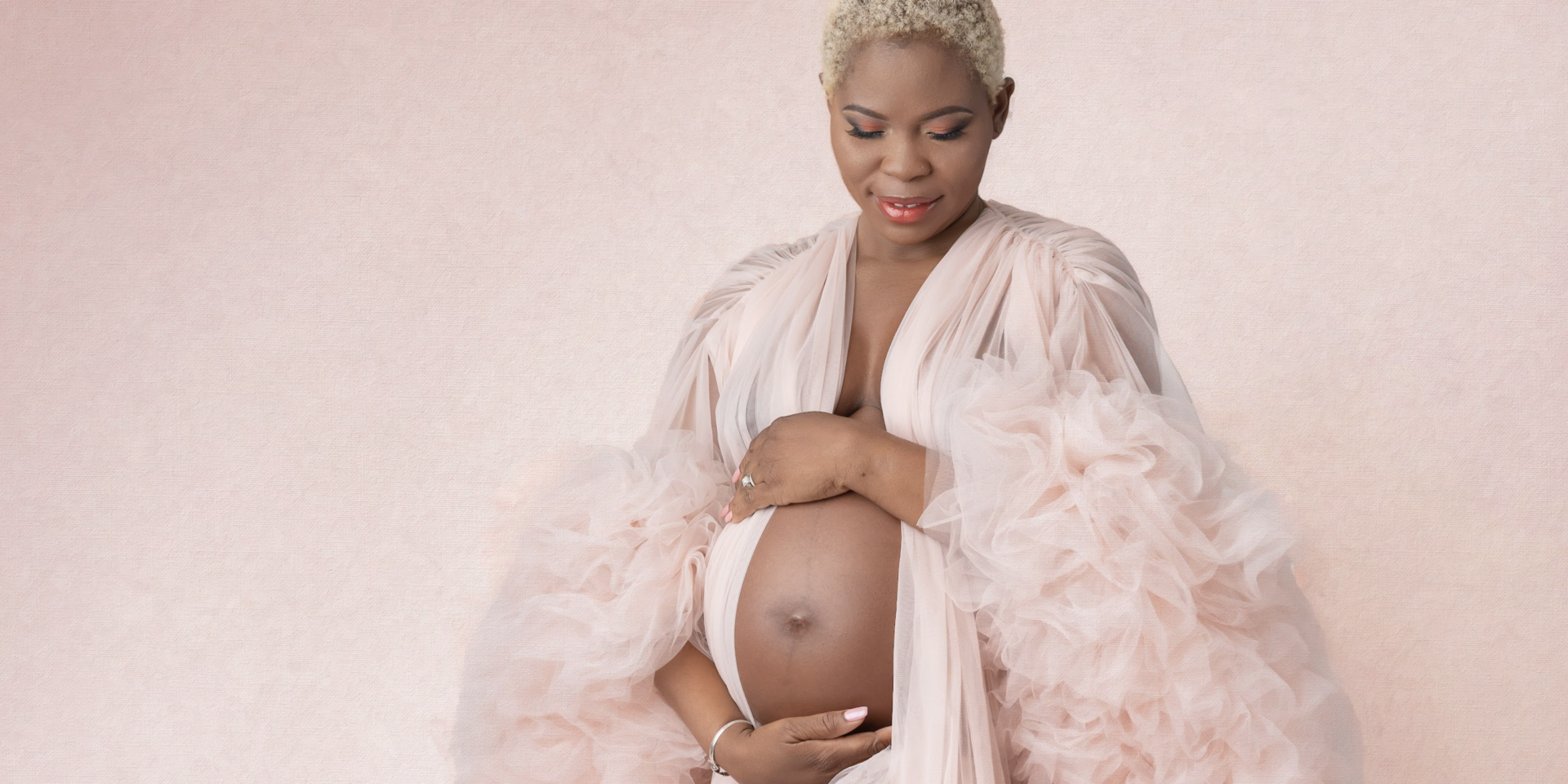
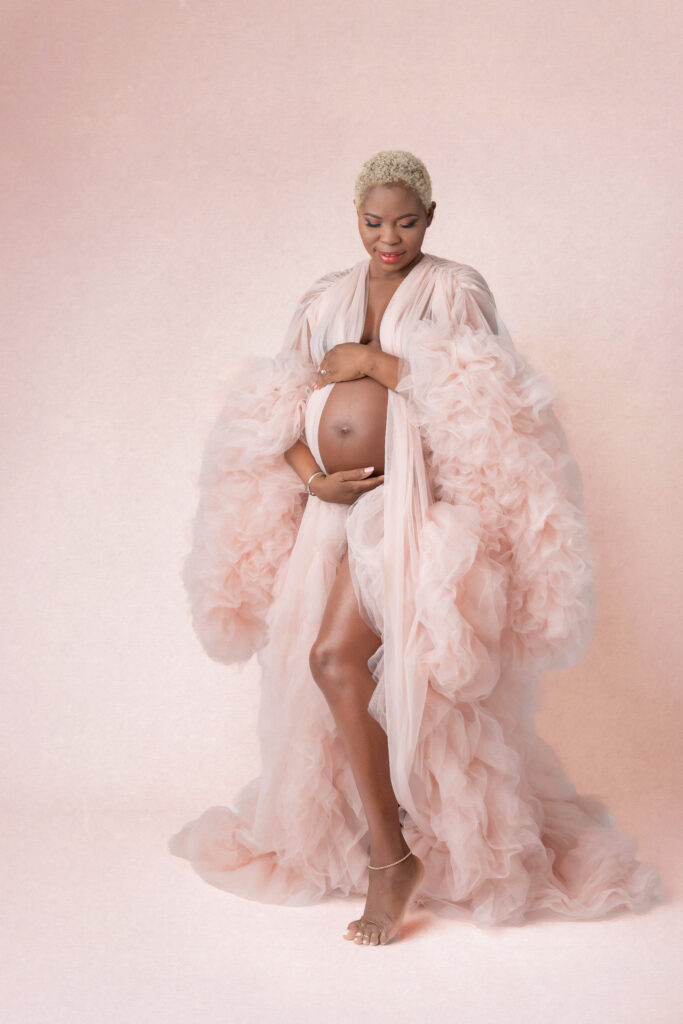
Don’t forget that booking a professional maternity session is an important part of your pregnancy journey. Maternity photography is a beautiful way to capture this amazing time in your life. A professional photographer can help you create beautiful images of your growing belly and capture the love you feel during this time. As a full service maternity and newborn photographer in Merritt Island, FL, I’d love to be considered for your maternity portrait session. Throughout the maternity session process with us, you can expect to be pampered, feel comfortable, and feel beautiful with your changing body in front of the camera. Our clients leave with captured memories and gorgeous products to showcase this amazing experience. You can contact us here to discuss your session.